

 Share
Share 



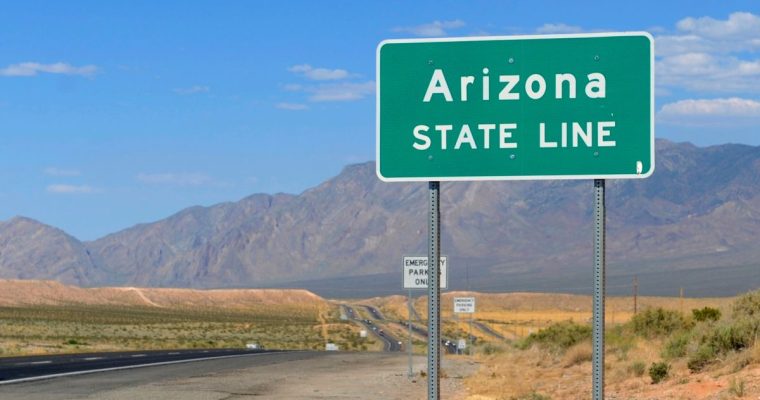
The Arizona Department of Gaming is sending a loud and clear message to operators: prediction markets are not welcome.
In a letter issued earlier this month, the regulator warned licensed online sportsbooks and fantasy operators that partnering with prediction market companies or offering event contracts could put their licenses in jeopardy.
This is not the first time we’ve seen regulators push back. Ohio and Massachusetts have already drawn hard lines in the sand, and now Arizona has added its weight to the growing resistance.
The big question now is whether other states will follow, and if this stance could reshape how sportsbooks experiment with new betting products.
What Arizona’s Warning Really Means
Arizona’s gaming market has been one of the fastest-growing in the US since launching sports betting in 2021.
With billions of dollars in annual handle and hundreds of millions in operator revenue, protecting that regulated space has become a top priority for the state’s Department of Gaming.
The warning letter spells out the risks. Even if an Arizona license holder isn’t directly offering prediction markets in the state, their partnerships elsewhere could still trigger scrutiny.
That means an operator that joins forces with companies like Kalshi, Robinhood, or Crypto.com — which have all tried to build sports event trading platforms — might find its Arizona license on the line.
For sportsbooks that rely heavily on Arizona’s revenue, the threat of losing market access is enough to make them think twice.
The Ohio Connection
Arizona’s warning didn’t happen in a vacuum. Just weeks earlier, the Ohio Casino Control Commission sent a similar notice to its operators.
Ohio regulators made it clear that event contracts were indistinguishable from sports bets and that offering them without a license violated state law.
Ohio has shown it isn’t afraid to flex its regulatory muscle. The state already forced several fantasy companies, including Underdog Fantasy, to shut down their pick’em products until they were restructured to meet legal requirements.
With Ohio cracking down and Arizona joining in, it signals that regulators are coordinating their approach across state lines.
Massachusetts Takes It a Step Further
Massachusetts didn’t stop at a letter. Instead, the attorney general’s office filed a lawsuit against Kalshi, accusing the exchange of operating as an unlicensed sportsbook under state law.
The lawsuit sets up a legal showdown that could have national implications.
Unlike Arizona or Ohio, which leaned on warning letters and cease-and-desist notices, Massachusetts is testing the question in court. If a judge sides with the attorney general, it could establish a precedent that other states lean on to enforce their own bans.
Why Prediction Markets Are So Contentious
Prediction markets may sound futuristic and even exciting, but regulators view them with suspicion. Platforms like Kalshi argue that they’re operating legally under the oversight of the Commodity Futures Trading Commission (CFTC). They say event contracts are closer to financial derivatives than sports bets.
State regulators see things differently. In their eyes, a contract on whether the Arizona Cardinals win or lose looks exactly like a wager — no matter what label you stick on it.
That’s why Arizona, Ohio, Massachusetts, and several other states have already sent cease-and-desist letters to the major players.
The clash boils down to jurisdiction. Who has the authority to regulate these markets: the federal CFTC or individual state gambling commissions? Until that gets sorted out, operators are caught in the middle.
Could Other States Jump In?
Arizona, Ohio, and Massachusetts may just be the tip of the iceberg. Illinois, Maryland, Nevada, and New Jersey have already sent their own warnings or cease-and-desist letters.
More states with legal betting are watching closely, and it wouldn’t be surprising to see regulators in places like Pennsylvania, Michigan, or Colorado issue similar guidance if sportsbooks get too cozy with prediction markets.
For regulators, it’s about protecting the integrity of their licensed markets. For operators, it’s about balancing the lure of massive new markets in states where sports betting is still banned — like California and Texas — with the risk of jeopardizing licenses in states where betting is already legal and profitable.
What It Means for Sportsbooks
Big names like DraftKings and FanDuel are already dipping their toes in. DraftKings has filed paperwork with the National Futures Association, and FanDuel announced a partnership with CME Group to build an exchange for financial contracts.
The industry sees prediction markets as a potential growth area, but Arizona’s warning makes it clear there are limits.
Losing access to Arizona, Ohio, or Massachusetts would be a costly mistake for any sportsbook. That’s why most operators are moving cautiously, testing partnerships, or keeping their focus on financial contracts rather than diving straight into sports events.
Fantasy operators and social sportsbooks, however, are more eager. Underdog, for example, has already rolled out prediction markets in multiple states through a partnership with Crypto.com.
That puts it directly in the spotlight, especially since it also holds licenses for fantasy and sports betting in states like Arizona, North Carolina, and Ohio.
The Bigger Picture
At the heart of this fight is a question about the future of US gambling regulation. States want to maintain tight control over anything that resembles gambling. Federal regulators are more open to innovation but have been slow to act.
Arizona’s warning doesn’t just impact local operators. It signals to the entire industry that state regulators are willing to police not just what happens in their own backyard but also what operators do elsewhere.
That raises the stakes for any company considering prediction markets as part of its growth strategy.
Will the Pushback Change the Industry?
The short answer: yes, at least in the near term. With Arizona, Ohio, and Massachusetts all taking action, operators are less likely to rush into prediction markets until there’s more legal clarity.
That could slow down the spread of event contracts across the US, even in states without explicit bans.
In the longer term, everything hinges on the CFTC. If the federal regulator officially endorses sports prediction markets, states will have to decide whether to adapt their laws or dig in even further.
Either way, Arizona’s move ensures that prediction markets will remain one of the hottest debates in the gambling world for the foreseeable future.

