

 Share
Share 



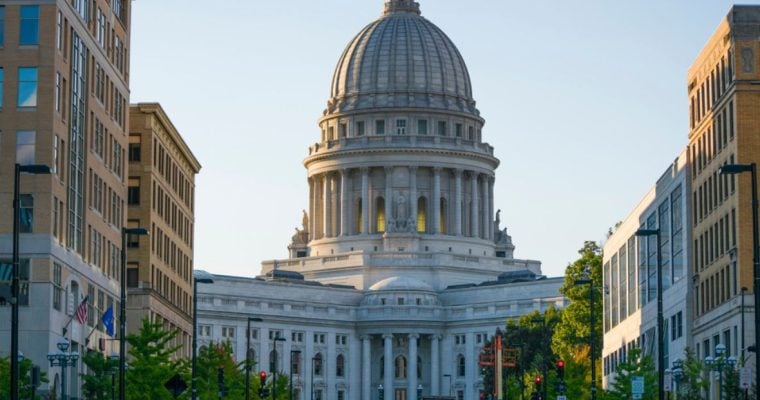
It was a packed, emotional day inside the Wisconsin Capitol. Republicans moved to send a constitutional amendment to voters targeting Gov. Tony Evers’ controversial partial veto, while also pushing forward a bill to allow online sports betting through the state’s tribes.
Tribal online sports betting clears Assembly
According to a news post by Tribal Business News, while the veto debate drew most of the political heat, another major policy change slipped through with far less noise. The Assembly approved a bill that would allow mobile sports betting through Wisconsin’s tribes, passing it on a unanimous voice vote.
The proposal uses a “hub-and-spoke” model. Wagering servers would be located on tribal land, while bettors anywhere in Wisconsin could place bets on their phones. The structure is similar to Florida’s setup, which survived a legal challenge after the U.S. Supreme Court declined to hear the case in 2024.
Supporters argue the bill would move hundreds of millions of dollars in illegal or offshore betting activity into a regulated market. Wisconsin already receives a share of tribal gaming revenue, though payments from sports wagering are not separately reported. The measure now heads to the Senate, where it is unclear whether it will get a vote, despite Evers previously signaling support.
Curbing the ‘400-year’ executive power
The biggest flashpoint revolves around Evers’ 2023 partial veto that extended a school funding provision, allowing districts to raise property taxes through the year 2425. Republicans have repeatedly labeled it the “400-year veto,” arguing that it stretched executive authority beyond what voters ever intended.
The Assembly passed a joint resolution that will put a constitutional question on the November ballot. Voters will decide whether to prohibit governors from using their partial veto power to create, increase, or authorize taxes or fees. Wisconsin’s partial veto authority dates back to 1930 and has been narrowed only nine times through constitutional amendments.
Republican lawmakers say the amendment is about protecting taxpayers and restoring balance between branches of government. Democrats, however, continue to defend Evers’ move, arguing it was necessary because the Legislature has not provided adequate funding for public schools. The back-and-forth reflects a deeper divide over education spending and executive power.
Wrapping up a long session in Wisconsin
By the time the Assembly wrapped up its seven-hour floor session, it was clear the political battles are far from over. Voters will now have the final say on the governor’s partial veto authority, while the future of online sports betting depends on the Senate’s next move.

