

 Share
Share 



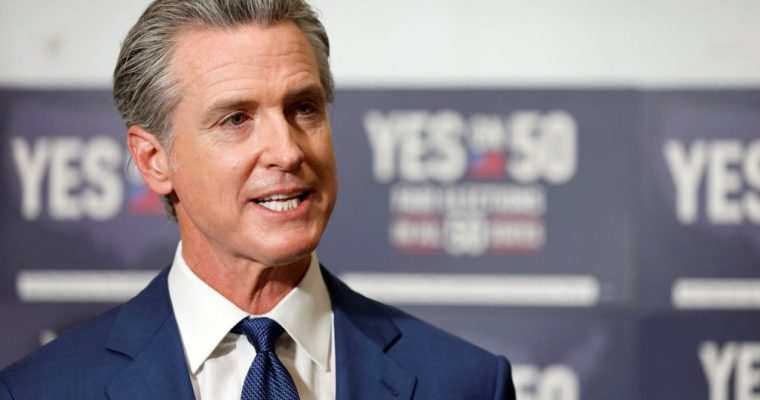
The pressure is on in Sacramento as Governor Gavin Newsom faces a fast-approaching October 12 deadline to decide what happens to Assembly Bill 831.
The proposal could bring an end to sweepstakes casinos operating throughout California. He has until Sunday to either sign or veto it, but if he stays quiet, the bill automatically becomes law.
This moment has the potential to transform one of the most widely discussed sectors in online gaming. Supporters claim the measure is about player safety and protecting tribal sovereignty.
At the same time, opponents warn it could wipe out a billion-dollar digital industry that employs thousands of Californians and invests heavily in state-based tech operations.
What’s at Stake This Week
AB 831, sponsored by Assemblymember Avelino Valencia, passed both chambers of the California legislature with zero opposing votes, an increasingly rare feat in Sacramento.
The bill targets so-called dual-currency sweepstakes casinos — online gaming platforms that use one type of virtual coin for free play and another that can be redeemed for cash or prizes.
The system has operated for years in a gray area, allowing Californians to play casino-style games like slots, blackjack, and roulette without technically gambling real money. Players receive free “Gold Coins” to spin the reels, but can also buy bundles that include “Sweeps Coins,” which can later be exchanged for cash prizes.
The problem, according to lawmakers and tribal gaming groups, is that this model looks and feels a lot like unregulated online gambling. AB 831 would change that by outlawing the operation or promotion of social casinos using this dual-currency system. Violators could face fines up to $25,000 per offense or even jail time.
Supporters Say It’s About Player Protection
Proponents of AB 831, including the California Nations Indian Gaming Association (CNIGA) and the Tribal Alliance of Sovereign Indian Nations (TASIN), argue that the bill is long overdue. They claim it closes dangerous loopholes that have allowed offshore companies to skirt California’s strict gambling regulations.
Assemblymember Valencia described the measure as “a necessary step to protect Californians from unregulated online gambling disguised as free-to-play entertainment.”
Supporters point out that many of these sweepstakes platforms lack the consumer protections that licensed gaming operations are required to follow — including identity verification, self-exclusion programs, and clear responsible gaming tools. They also highlight concerns about deceptive marketing tactics that target younger audiences and the potential for underage gambling.
TASIN praised the bill’s unanimous passage, saying it “safeguards consumers and protects the sovereignty of tribal nations that follow the rules.”
For tribes that have invested heavily in regulated online casinos, the idea of unlicensed competitors freely operating online has been a thorn in their side for years. AB 831, they say, finally levels the playing field.
Operators Warn of Industry Devastation
The Social Gaming Leadership Alliance (SGLA), representing major sweepstakes operators such as High 5 Casino, VGW, and PlayStudios, has made a last-minute push to urge Newsom to veto the bill.
In a letter sent to the governor on September 25, the group called AB 831 “misguided and rushed,” warning that it would “destroy a thriving $1 billion California industry.” The letter — signed by several CEOs and gaming executives — outlines a grim forecast if the bill becomes law:
- Loss of $732 million in annual marketing spend on California-based platforms like Meta and Google
- Elimination of more than 1,200 high-paying tech jobs
- Loss of over $70 million in cloud and infrastructure spending
- A sharp decline in state and local tax contributions
The alliance argues for regulation rather than prohibition. Their proposal would see the state license and tax sweepstakes casinos, generating an estimated $200–$300 million annually while introducing the same player protection standards used in other gaming sectors.
As SGLA Executive Director Jeff Duncan put it, “These are legitimate companies that want to operate transparently. A regulatory model could ensure safety, revenue, and innovation — without shutting down an entire industry.”
The Fallout Has Already Started
While Newsom weighs his options, several operators aren’t waiting around. Carnival Citi was the first sweepstakes casino to exit California, followed by High 5 Casino and Ruby Sweeps.
Game providers have also started pulling out. Pragmatic Play, one of the biggest content suppliers in the space, withdrew from California before the bill even cleared the Senate, later announcing plans to stop all US sweepstakes operations altogether.
Playtech, another gaming giant, also described its involvement as “immaterial” and severed ties with the market.
Newsom’s Political Balancing Act
Governor Newsom has until October 12 to make his decision, and political observers say the choice isn’t as straightforward as it might seem.
On one hand, tribal gaming groups — among his strongest allies and contributors — are pushing hard for the bill’s passage. On the other hand, the ban could alienate a younger, tech-savvy voter base that enjoys social gaming and leans progressive on digital freedom issues.
Victor Rocha, chairman of the Indian Gaming Association conference, recently said in a webinar that Newsom might hesitate to sign the bill because of presidential ambitions. “He wants to be president,” Rocha said. “He doesn’t want to anger the 18–35 demographic.”
What Comes Next for Sweepstakes Gaming
If Governor Newsom signs the bill — or lets it become law by default — AB 831 will take effect on January 1, 2026. The ripple effect is likely to extend far beyond California.
New York has a nearly identical bill awaiting action from its governor, and other states could follow California’s lead if the ban proves effective. For sweepstakes operators, the focus will shift to states that remain friendly to the model, such as Texas, Florida, and North Carolina.
Still, this may not be the end of the story. The SGLA and other industry groups are already exploring ways to reframe their products under new models that comply with state law, potentially paving the way for a regulated “social casino” framework in the future.
For now, all eyes are on Sacramento. Whether Newsom signs, vetoes, or stays silent, his choice will shape the future of social gaming in America’s largest state — and perhaps redefine how the entire country treats sweepstakes-style entertainment.

