

 Share
Share 



The future of sweepstakes casinos in California is hanging by a thread. Lawmakers just pushed AB 831 through the Assembly with a clean 63-0 vote, aiming to put a stop to online sweepstakes-style casinos statewide.
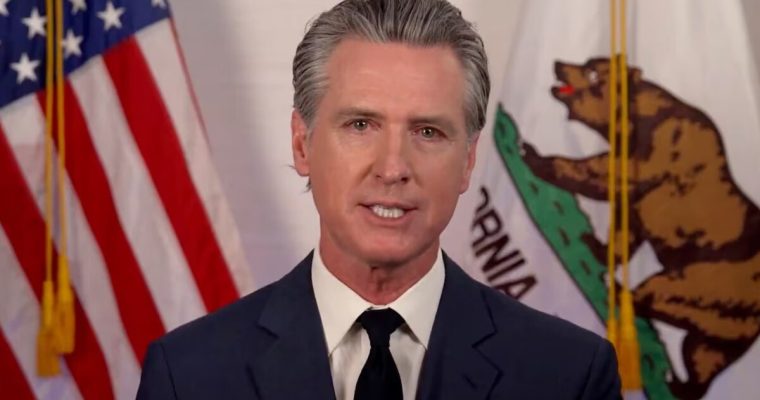
Now it’s up to Governor Gavin Newsom. He can sign the bill into law, let it go through automatically without a signature, or put a stop to it with a veto. For operators and players alike, the next move is completely in his hands—and no one’s sure which way he’s leaning.
A Quiet But Powerful Bill
AB 831 didn’t exactly make headlines in its early days. But behind the scenes, it has quietly become one of the most impactful pieces of gaming legislation California has seen in years.
Sponsored by Assemblymember Avelino Valencia, the AB 831 bill targets sweepstakes casinos that use “no purchase necessary” and “dual currency” models—think social casino platforms like Chumba Casino, LuckyLand Slots, and Global Poker.
The goal? To close what lawmakers view as a legal loophole. These platforms don’t technically offer real-money gambling in the traditional sense, but they’ve long operated in a gray area. According to Valencia, that loophole allows them to function like full-fledged online casinos without following the same rules.
Now, California lawmakers want to shut that door. The bill imposes stiff penalties—up to $25,000 in fines and a year in jail—for anyone caught operating an illegal sweepstakes casino. It passed through both chambers of the state legislature without a single “no” vote.
All That’s Left Is Newsom’s Signature
This is where things get interesting. Gavin Newsom has until October 12 to act. He can sign the bill into law, veto it, or simply let it become law without a signature. So far, he hasn’t said a word about it publicly.
That silence has stirred up plenty of speculation. On one side, you’ve got strong tribal support backing the bill, including the California Nations Indian Gaming Association and heavyweights like the San Manuel Band of Mission Indians.
On the other hand, industry voices like the Social Gaming Leadership Alliance and VGW (parent company of Chumba and LuckyLand) are pushing hard to prevent a total ban.
The tribes have made it clear they view sweepstakes casinos as a threat to California’s regulated gaming framework. They argue that these platforms siphon off players and revenue without following the same rules or paying into the system.
For Newsom, who has long held close ties to tribal nations and California’s legal gaming industry, that support carries weight.
The Pressure Is Mounting on Both Sides
While the tribal coalition is undoubtedly strong, the sweepstakes casino industry hasn’t rolled over. Groups like the Social Gaming Leadership Alliance are lobbying hard. They argue that AB 831 was rushed through without proper consultation and lacks consensus among California’s tribes.
They’ve even pointed out that four tribes—Kletsel Dehe Wintun Nation, Sherwood Valley Rancheria, Mechoopda Indian Tribe, and Big Lagoon Rancheria—do not support the bill.
Their message to Newsom? Regulation is better than prohibition. By banning sweepstakes outright, the state may lose out on an opportunity to create a new regulatory and tax structure that benefits all stakeholders—including smaller tribes who don’t operate full-scale casinos.
They also warn that a ban might not actually solve the problem. Instead of protecting players, it could push them toward offshore sites with zero consumer protections. That’s a tough pill to swallow for players who just want a casual way to play blackjack or spin some slots on their phone.
Reading the Tea Leaves on Newsom
So, what’s Gavin Newsom going to do? That’s the million-dollar question.
He’s shown support for tribal sovereignty in the past, and he’s no stranger to California’s complicated gaming landscape. But he’s also shown caution when it comes to moving too quickly on controversial topics. Remember when he took his time with sports betting debates in 2022? He didn’t endorse Prop 26 or Prop 27, staying mostly on the sidelines as both proposals crashed and burned.
There’s also a broader political angle here. Newsom has national ambitions. Signing off on a major gaming ban could generate noise beyond California, especially as more states debate how to handle sweepstakes, pick’em fantasy, and other hybrid gaming models.
At the same time, doing nothing might create just as many headlines. A “pocket signature”—where a bill becomes law without his formal endorsement—could be seen as dodging the issue, or worse, as passive support for the tribes’ position.
In short, it’s a tough spot.
California Isn’t Acting Alone
While all eyes are on Newsom, it’s worth remembering that California is far from alone in cracking down on sweepstakes casinos.
- Montana’s ban kicks in on October 1.
- New York’s governor has already signed off on an anti-sweeps bill.
- Other states like Michigan, Mississippi, and Maryland have used cease-and-desist letters to block operators from doing business.
It’s a growing trend, and California may just be the biggest domino yet.
Should Newsom sign AB 831, it would cement California’s position as a leader in the nationwide anti-sweeps push. It could also set the stage for what comes next: a renewed push for regulated online casino and sports betting, something that’s always been just out of reach for the Golden State.
What Happens If He Signs?
If the governor puts pen to paper, it’s game over for sweepstakes casinos in California—at least in their current form. Platforms like Chumba, LuckyLand, and Global Poker would need to block California IP addresses or face stiff penalties.
This would likely trigger a major reshuffle in the space. Players would either shift to offshore sites or lobby for the state to create a legal path forward with real regulation.
The Verdict: Still Too Close to Call
Right now, it’s hard to say whether Newsom will sign the bill, veto it, or let it slide through unsigned. Each path comes with political baggage and long-term consequences.
But make no mistake—whichever way he leans, it will send shockwaves across the gaming industry.
Whether you’re a casual player on LuckyLand or a tribal gaming executive watching from a boardroom, this next month could be a turning point.
Stay tuned. October 12 is right around the corner.

