

 Share
Share 



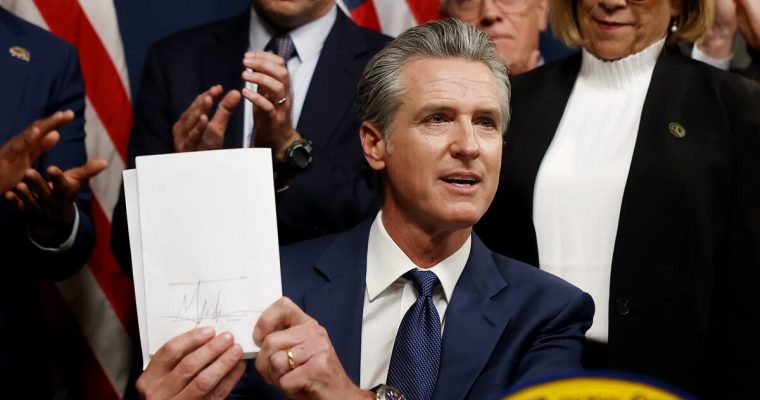
California’s sweepstakes casino world is hanging by a thread. Assembly Bill 831, which would effectively ban dual-currency social casinos across the state, is on Governor Gavin Newsom’s desk. He has until October 12 to either sign it, veto it, or let it pass into law without his signature.
That ticking clock has created plenty of suspense, especially now that the Social Gaming Leadership Alliance (SGLA) is making a last-ditch push to convince Newsom to block the bill.
With billions in estimated economic impact on the line, both supporters and opponents of the measure are turning up the volume.
The Pushback: SGLA’s Final Plea
Despite the overwhelming legislative support, the SGLA isn’t ready to give up. The group, which recently merged with the Social and Promotional Gaming Association, argues that California is on the verge of throwing away a billion-dollar industry.
In a letter to Newsom, Executive Director Jeff Duncan painted a picture of lost opportunity. According to a study by Eilers & Krejcik, sweepstakes casinos generate around $1 billion annually in California’s economy.
That includes more than $700 million spent on advertising through California-based companies, tens of millions in processing fees, and significant cloud-hosting costs.
Duncan also cited a poll suggesting that 85% of Californians want sweepstakes casinos to remain, whether under current rules or with stronger regulation. In his view, shutting the door outright will hurt consumers, digital innovation, and even some tribal communities that could benefit from partnerships in this space.
The Tribal Divide
One wrinkle in the debate comes from within Indian Country itself. While CNIGA and larger tribes such as the San Manuel Band have supported AB 831, smaller tribes like the Kletsel Dehe Wintun Nation and the Mechoopda Indian Tribe of Chico Rancheria have opposed it.
These smaller groups argue that social casinos could provide much-needed economic opportunities that aren’t otherwise available. For them, the blanket ban feels like another example of larger tribes controlling the narrative.
That divide complicates the story. It shows that even within the tribal gaming community, there isn’t total agreement on whether sweepstakes casinos represent a threat or an opportunity.
Why Newsom’s Decision Matters
Governor Newsom hasn’t tipped his hand. He’s been quiet on the issue, and that silence has created plenty of speculation. By October 12, he must decide whether to sign the bill, veto it, or let it pass without action.
If he signs AB 831, sweepstakes casinos will vanish from California almost overnight. That would satisfy powerful tribal interests and align with the legislature’s unanimous decision. It would also cement California’s commitment to protecting tribal sovereignty.
If he vetoes it, the political fallout could be messy. Going against CNIGA and a unanimous legislature would put Newsom at odds with influential allies. Yet it could also position him as a forward-thinking leader willing to explore “next-generation gaming technology,” as Duncan framed it.
Letting the bill pass without a signature would be a middle path. It would avoid the optics of an outright veto while still allowing the ban to take effect.
What’s Really at Stake
This isn’t just about games on a screen. It’s about the future of digital gambling, tribal sovereignty, and how states regulate new forms of entertainment.
On one side, you have tribes and lawmakers determined to defend exclusive gaming rights. On the other hand, you have sweepstakes operators and their allies insisting that these platforms create jobs, drive ad revenue, and provide a safe, regulated outlet for online play.
For players, the outcome will be felt quickly. If AB 831 becomes law, Californians will no longer be able to use sweepstakes casinos that have become a popular alternative to traditional gambling.
For companies like Virtual Gaming Worlds and ARB Interactive, California represents one of the largest markets in the country. Losing it would sting.
The Waiting Game
So, will Newsom swing his pen or keep it capped? That’s the question hanging over the next few weeks. Both sides are lobbying hard, but the governor’s history suggests he leans toward protecting tribal sovereignty.
Still, the billion-dollar figure and consumer support data aren’t easy to ignore. The SGLA has framed the veto as a chance to position California as a leader in digital gaming, rather than a state that closes doors.
Whatever Newsom decides, his choice will ripple far beyond California. Other states are watching closely, and the outcome could shape how sweepstakes casinos are regulated nationwide.
How We Got Here: AB 831’s Easy Ride Through the Legislature
It’s rare to see a gaming bill move so smoothly through California’s often fractured political environment. Yet AB 831 passed without a single “no” vote. Both chambers of the legislature approved it unanimously, and every committee that reviewed the bill gave it a green light.
That kind of support didn’t come out of nowhere. The California Nations Indian Gaming Association (CNIGA), one of the most powerful players in state politics, endorsed the measure early. Tribes argued that sweepstakes casinos violated their exclusive right to operate gambling in the state.
For lawmakers, siding with tribes was an easy decision. Protecting tribal sovereignty has long been a cornerstone of California gaming policy.
Why Sweepstakes Casinos Are Under Fire
At first glance, sweepstakes casinos look like lighthearted, social-style games. Players buy Gold Coins for fun play and also receive Sweeps Coins, which can be redeemed for cash prizes. That dual-currency model has been the backbone of the industry, but it has also raised serious legal and political questions.
For tribes and their supporters, sweepstakes casinos are a backdoor to real-money gambling without proper oversight or revenue sharing. For others, they represent an unregulated competitor to tribal casinos and a potential threat to the state’s gambling framework.
The fact that companies like Virtual Gaming Worlds, ARB Interactive, and PLAYSTUDIOS back these platforms only adds fuel to the fire. With advertising spend in the hundreds of millions, sweepstakes casinos have become impossible to ignore.

