
 Share
Share 



9 out of Canada’s ten provinces have a government-run monopoly on online gambling. Ontario is the only exception, but not for long.
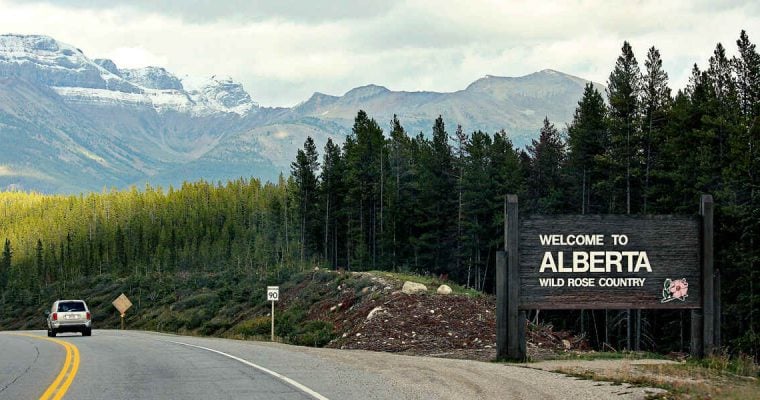
Alberta is currently ramping up plans to open up its online gambling market to private operators by July 13, 2026.
Notably, Alberta ranks fourth in population size and has a robust digital economy with high levels of mobile adoption. This is a major shift for Alberta, and the effects on the Canadian online gambling landscape could be felt beyond its borders.
Setting the Pace
Ontario was the first Canadian province to open up its market to private operators, and it has been a huge multi-billion dollar success. While this has for a long time been considered an anomaly, Alberta’s decision to do the same could cause a domino effect.
Pressure could mount on bigger provinces like Quebec and British Columbia to open up their markets to keep up with Ontario and Alberta, considering the move’s undeniable financial benefits.
Should the domino effect start, the country-wide online gambling market would enter a revolutionary phase. The most notable effects and benefits would include the following:
Curbing Offshore Gambling
While Alberta has a regulated online gambling market, residents still have plenty of other options in the unregulated offshore market. Indeed, the province already has a large unregulated online gambling market. It is estimated that 65-70% of all online gambling happens on unregulated sites.
The iGaming Alberta Act directs all Canada online casinos and sportsbooks that want to enter the market to cease all offshore gambling activities. The Alberta Gaming, Liquor and Cannabis (AGLC) commission reports that 49 private operators have already expressed interest in entering the market, running a combined 56 online gambling sites. Notably, many of these sites include platforms that Alberta residents currently use for offshore gambling.
Many of Alberta’s residents currently engaged in offshore gambling are expected to shift to the new regulated market when it goes live. Notably, this is a sizeable portion of Canada’s gambling audience. To this end, the shift will curb offshore gambling considerably, giving the province and the country as a whole greater control over the gambling market.
Strengthening Responsible Gambling
The unregulated online gambling market doesn’t guarantee player protections. Unfortunately, this means that a large fraction of Canada’s gambling audience is exposed to problem gambling risks such as addiction.
The iGaming Alberta Act outlines strict responsible gambling initiatives to be implemented by operators and the authorities. For example, operators are required to offer basic responsible gambling tools like deposit limits and reality checks.
Moreover, the provincial government has set up a centralized self-exclusion database where players can ban themselves across all online gambling platforms as well as land-based casinos. Notably, different provincial governments would likely harmonize their responsible gambling standards and even create inter-provincial trust frameworks, creating safer gambling environments for players across the country.
Boosting Revenue Collection
PlayAlberta.ca, currently the only regulated online gambling platform in Alberta, generates about $267 million in annual revenues. However, this is just a fraction of what the market is potentially worth, considering that the unregulated market takes up to 65-70% of all gambling activity.
Researchers and analysts project that the gambling market in Alberta could be worth between $700 million and $1 billion in annual gross gaming revenue.
The iGaming Alberta Act proposes a 20% tax on operators’ gross gaming profits. To this end, the province could generate between $140 million and $200 million in a fully mature market.
Notably, 2% of this money would go toward First Nations Initiatives to offset any potential traffic losses at land-based tribal casinos, while 1% would be dedicated to social responsibility. The remaining 17% would go toward government-funded projects like public infrastructure.
Many other provinces continue losing millions to unregulated gambling markets, translating to billions lost for the country. As such, a move by more provinces to open up their markets could result in billions in tax revenues.