


 Share
Share 



This is the third of a five-part series leading up to May 14, 2023, the fifth anniversary of the US Supreme Court’s decision to repeal the Professional and Amateur Sports Protection Act (PASPA), which allowed states to pass their own sports betting laws.
Decades before the Supreme Court struck down the Professional and Amateur Sports Protection Act in 2018, allowing states to legalize sports betting, regulated markets were humming around the globe. 
Acolytes and opportunists in the United States had ample time to study the successes, like a growing appetite for online wagering. But there were also cautionary tales. Countries like England, Italy, and Spain were slowly heeding public discontent with the extent that betting advertising and commerce permeated their daily journey. It was like Europe had given the US sports betting business a cheat sheet.
When more states began following early adopters like Delaware and New Jersey, industry observers and regulators alike joined gambling executives in espousing the need to not repeat European missteps.
Ultimately, the American betting industry replicated both some of the successes and failures in post-PASPA America. The enterprise and all the riches it can bring spread to 37 jurisdictions, including Washington, DC, and Puerto Rico (and Vermont Gov. Phi Scott expected to sign his state’s bill into law), in a whiplash pace, prompting a frantic rush for customers as the Monopoly board filled in.
In consultation with gambling industry observers and insiders, Gaming Today examines five lessons learned in the five years since the repeal of PASPA changed the gambling and sports industries in the United States.
What Lessons Has the US Sports Betting Business Learned?
1. Ad Nauseam
I haven’t seen an online sports betting ad in almost 7 minutes. Am I dead?
— Conan O’Brien (@ConanOBrien) January 9, 2022
Insurance, food, and car ads take up more broadcast air during sporting events than sportsbook commercials.
The general viewer seems better able to ignore those, though.
Still, with customer-acquisition a focus in the first years post-PASPA, gambling companies hammered the TV-viewing, radio-listening, billboard-browsing, and reading-what’s-plastered-on-the-side-of-the-city-bus public with so many pitches as to cause a communal visceral reaction. Then there were real and virtual logo placements worming into live sporting events as teams and pro leagues inked sportsbook partners. As the English soccer federation moved to ban front-of-shirt gambling logos — eight of 20 Premier League teams boast them now — the NHL opened jersey real estate as a revenue stream, with caveats, although Washington and Las Vegas are the only partakers so far.
The ad deluge was particularly pronounced in metro areas comprised of multiple districts where sports betting was in various phases of legalization and implementation, like Washington, D.C. Even pro sports leagues have called for a timeout.
Politicians began reacting to constituent pressure, leaving the American sports betting industry to learn from its own mistakes. Ones it had predicted and stressed a need to avoid.
2. Old College Try

The University of Colorado became the first college to sign an official sportsbook for its athletic department — with PointsBet in 2020 — but others followed, including LSU and Michigan State (Caesars) and Maryland (PointsBet). With undergraduate populations skewing younger than the national betting age requirement norm of 21, there was unease on multiple levels.
No one was naive enough to think that minors in college weren’t indulging in vices. The Penn State and Iowa student paper websites even advertise illegal offshore sites.
But codifying and monetizing an official sportsbook relationship left responsible gambling advocates, alumni, and academics queasy.
Missteps fueled the unease. In 2022, the official email account of the LSU athletics department blasted Caesars promotions to the entire LSU student email base. and Barstool was fined for holding a show that featured betting content on the Toledo campus. With a group of Iowa and Iowa State athletes recently being caught illegally betting on sports, the cry for greater regulation and the discontinuation of these relationships will continue.
For its part, the pioneer of the practice severed its deal with Colorado by mutual consent in March 2023 and with Maryland in May after a New York Times article on these types of partnerships. Caesars ended its deal with Michigan State in May.
Some states don’t even allow betting on in-state college teams. The union of sportsbooks and athletics programs has proved to be an overstep in others that do.
3. Tribal Power

The most populous states in the United States understandably became the grand prizes of the sports betting industry when wagering became a realizable goal beyond Nevada’s borders.
Five years into the process:
- California, 40 million – Sports betting not legal
- Texas, 30 million – Sports betting not legal
- Florida, 22 million – Sports betting not legal
- New York, 20 million – Legal
- Pennsylvania, 13 million – Legal
- Illinois, 13 million – Legal
- Ohio, 12 million – Legal
- Georgia, 11 million – Sports betting not legal
- North Carolina, 11 million – Sports betting not legal
- Michigan, 10 million – Legal
That’s nearly a third of the US population, consumed by its three most-populated states, without legal sports betting, and in two of them — California and Florida — tribal power will dictate when it comes.
Parsing details, it actually did come to Florida for one month in November 2021, when the Seminole Tribe of Florida gained the right to offer sports betting through a compact agreement hammered out with Gov. Ron DeSantis. Trouble was, a federal judge ruled the compact illegal despite tacit Department of the Interior approval, and the case simmers in court, awaiting a result that will likely trigger more appeals, perhaps a trip to the Supreme Court.
Whatever happens, the Seminoles’ virtual monopoly on gambling in Florida will make them a key figure in the future through their Hard Rock Digital brand.
In California, the process of bringing — or, more appropriately, not bringing — sports betting to the state centered around a coalition of tribes and a campaign funded mostly by the San Manuel Band of Mission Indians that sent two sports betting propositions to crushing ballot box defeat in 2022. Prop 26, which was tepidly supported by tribes, would have allowed for retail sports betting on tribal lands, while Prop 27 would have allowed for state-wide mobile with national brands and retail at four horse racing tracks.
While the industry has rushed across the map to claim sports betting space in the name of business, California tribes’ influence with voters was key in what they see as an existential threat to their autonomy.
4. These Kids and Their Phones
 Society has developed the habit of ordering almost anything on its phone: take-out, car insurance, rides, dates, and now sports bets.
In most jurisdictions, online and mobile bets comprise as much as 90% of the handle, turning living rooms and boring PTSA meetings into sportsbooks. Sports leagues and television networks are enthralled, holding to the mantra that if someone bets on something, they’ll watch it, and if the bet can be made on a phone, business is better.
American sportsbooks hope domestic bettors develop Europeans’ fondness for in-play betting. While Europeans place about 75% of their bets once events have begun, Americans apply only about 30% of wagers on in-play markets.
With this also comes the need for improved responsible gambling practices.
There’s definitely a need to catch up here, because the American appetite for mobile betting established a quick pace since 2018, especially compared to European bettors.
5. Sportsbooks are Trying to Prevent a Scandal
Pete Rose and the 1919 Chicago White Sox were for decades the avatars of sports gambling scandal for mainstream America.
Since the repeal of PASPA and the easier availability of betting, other athletes have foisted themselves into this unfortunate status.
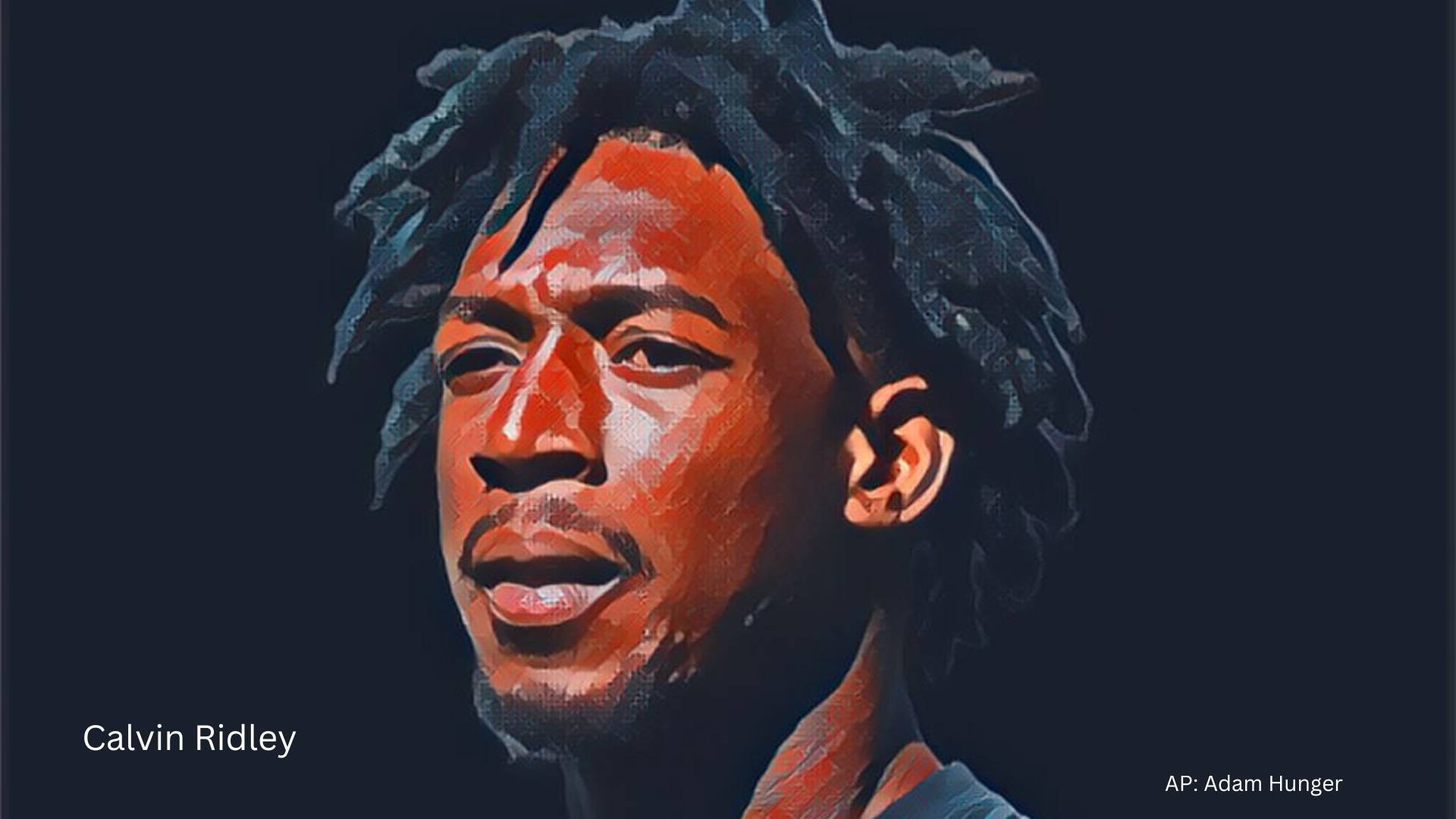
Josh Shaw of the Arizona Cardinals was the first in the post-PASPA era to be suspended for betting on NFL games, but has become an afterthought since 2019. Calvin Ridley, then of the Falcons, became the symbol of mistake and punishment when more were paying attention. Ridley, in Florida on a mental health leave in November 2021, was caught purportedly betting on NFL games and then suspended until this March.
Others followed, so frequently in recent months as to overlap and save them from enduring scorn. That’s a problem. There were scandals involving the Detroit Lions, the Alabama baseball coach, athletes at Iowa and Iowa State, and most recently, in the MLS.
An unfortunate offshoot of this entirely predictable situation is the increased brazenness of fans in accosting players after losing bets. With active athletes becoming spokespersons for sportsbooks in MLB and the NHL and players being busted for wagering, conspiratorial thinking is easy for disgruntled bettors.
A positive offshoot appears to be that sportsbooks are making the system work by identifying these offenders. It’s an act of self-interest, certainly, but it might also have a preventative quality if possible future offenders realize they cannot be anonymous, at least when wagering online or with mobile. They will always have illegal, offshore options, however, and Shaw made his bets in a sportsbook.
This is a problem that will need to be addressed by post-PASPA, Year 10.


