
 Share
Share 



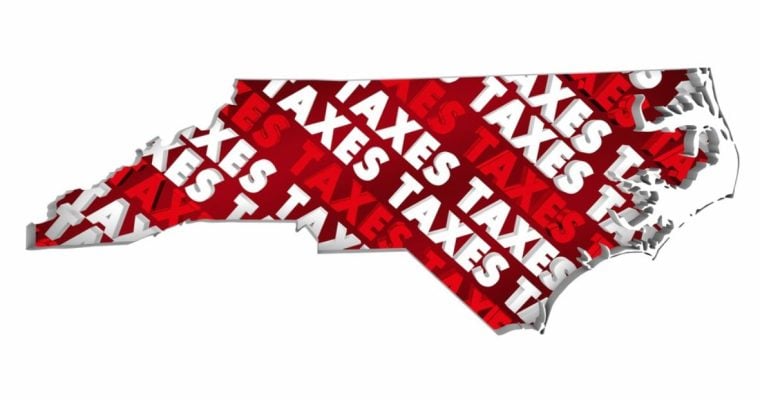
On Tuesday, Gov. Josh Stein signed the state’s $34 billion budget, which officially recognizes prediction market operators and imposes a 6% tax on their net trading fee revenue.
The new law also raises North Carolina’s sports betting tax rate from 18% to 23%, creating a significant tax disparity between traditional sportsbooks and prediction market platforms.
North Carolina raises sportsbook tax rate to 23%
Before the new budget, North Carolina taxed online sportsbooks at 18%. Under the new law, that rate increases to 23%.
Licensed sportsbooks also must pay a $1 million licensing fee to operate in the state.
By comparison, prediction market operators such as Kalshi and Polymarket will pay a 6% tax on their net trading fee revenue without being subject to the same state regulatory framework that governs sportsbooks.
Supporters of the change argue North Carolinians are already using prediction markets, making it sensible for the state to collect tax revenue from the activity. Critics, however, contend the legislation gives prediction market operators a competitive advantage through lower taxes and lighter oversight.
The tax disparity has fueled concerns that sportsbook revenue could decline if consumers migrate to prediction markets.
According to a WRAL News report, state Sen. Julie Mayfield, D-Buncombe, warned that such a shift could reduce funding for public school athletic programs.
“The revenue that we’ve been getting from sports betting, it’s going to plummet. And then that has all sorts of implications. Not just for our budget, but for the schools that have again come to rely on this money for their athletic programs.”
North Carolina has collected more than $287 million in sports betting tax revenue since online wagering launched in March 2024.
Critics question oversight of prediction markets
Prediction markets have become an increasingly contentious issue as policymakers debate whether they should be regulated like sportsbooks or continue operating primarily under federal oversight through the Commodity Futures Trading Commission.
Critics have also pointed to concerns over market integrity, including allegations that participants with access to nonpublic information could exploit certain event contracts. Those concerns gained renewed attention following the federal case against U.S. Army Master Sgt. Gannon Ken Van Dyke, who was accused of using nonpublic information to trade on Polymarket contracts tied to a military operation involving Venezuelan President Nicolás Maduro.
North Carolina Attorney General Jeff Jackson has also joined a multistate coalition urging greater federal oversight of prediction markets, arguing they conflict with states’ authority to regulate sports wagering.
Critics argue North Carolina’s budget gives prediction market operators formal legal recognition while imposing fewer taxes and regulations than licensed sportsbooks.
Mick Mulvaney, President Donald Trump’s former chief of staff and now the director of Gambling Is Not Investing, criticized the legislation.
“There’s no reason a state should favor these rogue operators over the licensed sportsbooks who fully comply with regulations and tax structures. Prediction markets are unlicensed sports gambling apps — full stop.
The proposed North Carolina budget legitimizes and gives a sweetheart deal to the same prediction market operators that are trampling on the state’s gambling regulations while opening a pathway for underage users to gamble on sports through prediction markets.”