
 Share
Share 



Gaming Edge’s TL;DR
- A US Special Forces soldier has been indicted for allegedly using classified intel to profit on Polymarket, spotlighting insider-trading risks in crypto prediction markets.
- This case – and President Trump’s public dismissal of prediction markets as a “casino” – puts market integrity and regulatory oversight at the center of national debate for American bettors.
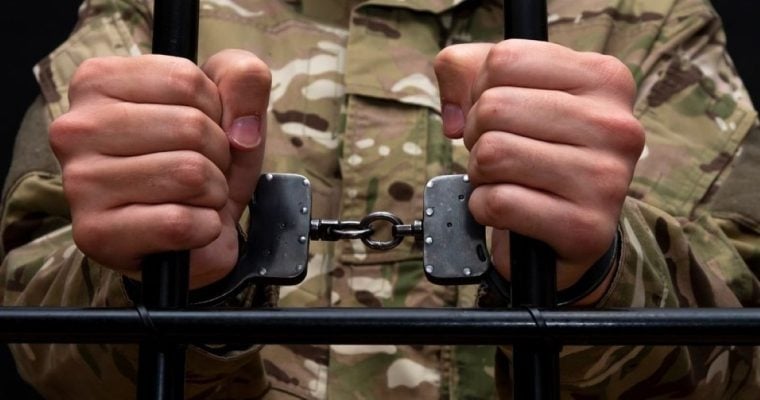
Federal prosecutors say Gannon Ken Van Dyke, an active-duty U.S. Army Special Forces master sergeant, used nonpublic details of Operation Absolute Resolve to trade political event contracts on Polymarket and realized more than $400,000 in profits.
The indictment alleges Van Dyke created a Polymarket account on Dec. 26, 2025, used a VPN, and bought roughly $33,934 of “Yes” shares across Nicolás Maduro- and Venezuela-related contracts between Dec. 27 and Jan. 2. The complaint claims he accumulated about 436,000 Yes shares at an average price near $0.074 and cashed out after Maduro was captured, when prices spiked.
Polymarket told investigators it identified a user trading on classified information and cooperated with the Justice Department. The DOJ charged Van Dyke with unlawful use of confidential government information, theft of nonpublic government information, commodities fraud, wire fraud, and an unlawful monetary transaction.
Industry-wide audits might be on tap
The case sharpens a core worry: Prediction markets price public expectations, and insider access to timing or operational details can destroy that pricing signal. Practically, bettors may see reduced liquidity and fewer geopolitical listings as operators reassess risk and curtail controversial contracts.
For operators, the indictment signals heightened regulatory risk. The CFTC has already warned exchanges about manipulation and insider trading as listings surged from a handful to thousands. Expect platforms to expand KYC, transaction monitoring, and referral policies – and to face tougher compliance costs and potential enforcement actions.
Polymarket’s cooperation helps its legal position, but the case could trigger industry-wide audits, stricter listing standards, and more active oversight by regulators worried about national security-linked trades.
Based on reporting by Liam ‘Akiba’ Wright for CryptoSlate.