
 Share
Share 



Gaming Edge’s TL;DR
- Kalshi has started a new Midterms Hub ahead of the elections.
- Users can track live prediction market odds for U.S. Senate and House races.
Kalshi has launched a new Midterms Hub ahead of the 2026 elections, giving users a single place to track live prediction market odds for federal Senate and House races.
According to the company, the hub pairs its market pricing with polling averages, Federal Election Commission fundraising reports, and curated news coverage and analysis.
Kalshi described the product as a “one-stop-shop for state and federal election forecasting” that offers a “real-time picture of where a race stands.”
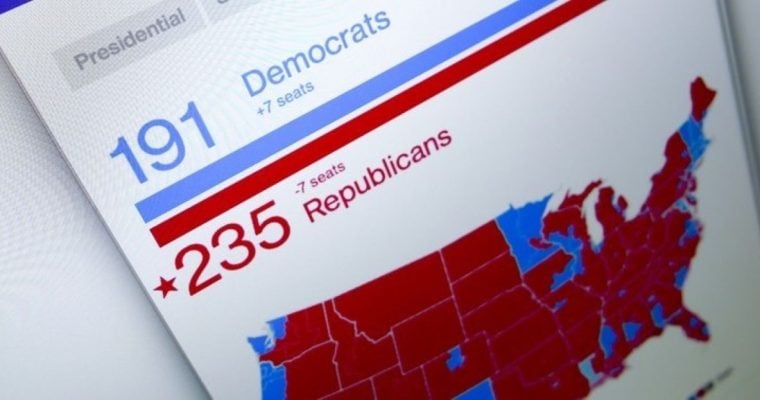
Platform includes nationwide electorial map
The company said odds on the hub update continuously as news breaks, debates unfold, polls are released, and results come in. The feature includes a nationwide electoral map and individual race markets, extending Kalshi’s push to make political prediction markets easier to follow even for people who are not actively trading.
That matters because, by Kalshi’s account, a large share of its audience is using the platform as an information tool rather than a trading venue. The company said about three-quarters of visitors do not place trades and instead monitor market odds.
CEO Tarek Mansour said prediction markets can offer an unfiltered view of election sentiment, arguing they show what “the wisdom of the crowds” believes when real money is involved.
The launch builds on Kalshi’s broader political expansion before the November 2026 midterms. In May, the company introduced its American Power Index, which it described as an “S&P 500” for politics.
The rollout also comes with some baggage. Election-related betting activity has already drawn scrutiny this year. In April, the company suspended and fined three congressional candidates for betting on their own races. In June, it also requested the removal of posts from affiliated influencers after they shared content about the Los Angeles mayoral race while promoting betting odds through paid partnerships.
Based on reporting by Marc Vartabedian for the New York Post.