
 Share
Share 



Gaming Edge’s TL;DR
- Wisconsin election officials reminded voters that wagering on state elections is illegal and could jeopardize a ballot.
- Elections Commission Chair Ann Jacobs issued the warning after spotting rising prediction market activity, citing a state statute that bars voting by anyone who has ‘become interested … in any bet or wager’ tied to an election.
- This comes as prediction markets and platforms face growing legal scrutiny nationwide.
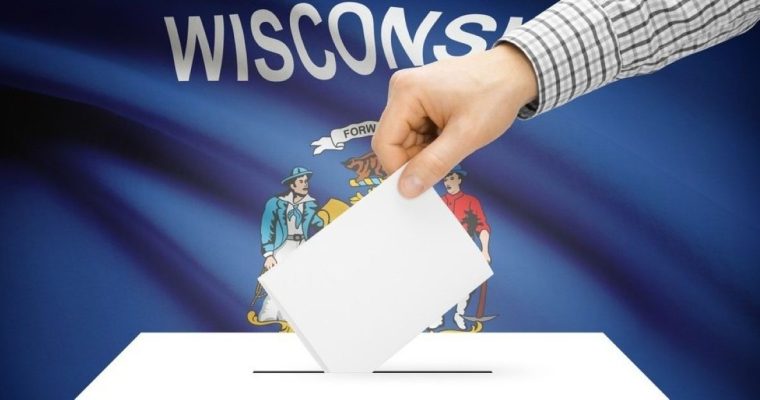
Wisconsin’s elections chair, Ann Jacobs, posted a reminder on X that voting after placing a bet on a state election can trigger a ballot challenge under an obscure Wisconsin statute that forbids voting by anyone who has “become interested, directly or indirectly, in any bet or wager depending upon the result of the election.”
Jacobs said the Elections Commission will not proactively monitor bettors but will investigate complaints and that violators could face voter-fraud charges.
Experts caution enforcement will be difficult in practice. Wake Forest’s Koleman Strumpf told The Washington Post prosecuting casual bettors would be unlikely and politically awkward. Wisconsin is among a handful of states with explicit bans; Texas and Arizona have similar prohibitions, while prediction markets already show thousands of dollars at stake in some races.
Heavy enforcement not expected
The immediate takeaway is practical: avoid placing wagers on elections where you’re eligible to vote.
While enforcement appears complaint-driven and prosecutions may be rare, a challenged ballot or potential legal exposure is a real risk. Operators face a patchwork of state laws and rising enforcement – Arizona’s attorney general has charged Kalshi for alleged illegal election wagering and unlicensed gambling, while platforms argue they are regulated financial markets under the Commodity Futures Trading Commission.
The result is legal uncertainty that can reduce market liquidity, prompt geofencing or product restrictions, and raise compliance costs. Bettors should expect some platforms to block wagers on state contests in certain jurisdictions; operators will likely invest more in legal defenses and stricter geo‑controls as states assert varied interpretations of what counts as gambling versus financial trading.
Based on reporting by Mariana Alfaro for The Washington Post.