
 Share
Share 



Gaming Edge’s TL;DR
- A new round of debate in Congress is putting college player prop bets back under the microscope.
- The key question is whether Washington should set national limits or leave those decisions to the states.
Federal lawmakers are revisiting sports proposition betting after new findings showed how widely college athlete props were offered during this year’s men’s NCAA March Madness tournament.
Sports betting is now legal in 39 states and Washington, D.C., while state rules on college player props vary widely. The latest push centers on the SAFE Bet Act, backed by Sen. Richard Blumenthal in the Senate and Rep. Paul Tonko in the House.
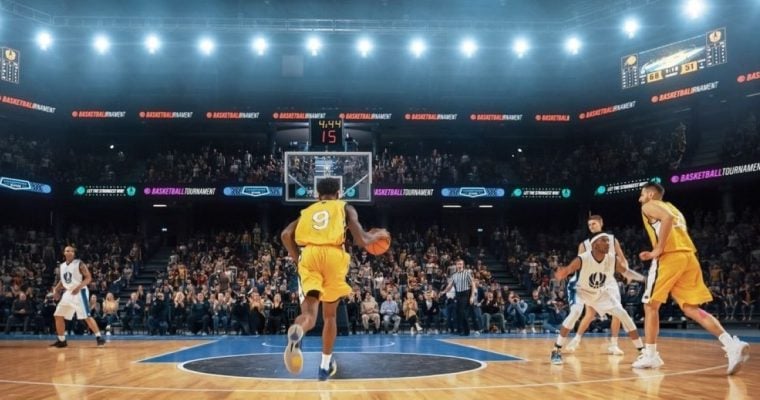
According to the Shirley Povich Center for Sports Journalism, major sportsbooks posted more than 7,000 prop betting lines on college athletes during the men’s NCAA tournament, averaging more than 100 prop bets per game.
The report highlighted how concentrated those markets could become. During March Madness alone, the Povich Center identified nearly 500 available prop bets on University of Connecticut men’s basketball players.
Lawmakers concerned about pressure on student-athletes
Blumenthal said volume is part of the problem.
“Prop bets have corrupted the game to the detriment of athletes, fans, and victims of gambling addiction.”
In a statement to CNS, he added that the findings showed “the pressure, and even potential harassment, student athletes at UConn and across the country are under due to these harmful wagers.”
Tonko said his proposal would go beyond broad gambling standards and directly target amateur markets.
“Along with creating minimum federal safety standards in the key categories of marketing, affordability, and artificial intelligence, my bill would put a ban on all amateur and collegiate prop bets.”
Federal vs. state control
Not everyone in Congress agrees that federal action is the right path. Rep. Dina Titus has argued that sports betting oversight should remain with state regulators rather than be pre-empted by Washington.
Titus previously said the proposal was “perhaps well-intentioned,” but called it “a misguided approach” because it would override state gaming regulators on advertising and betting rules.
That split reflects the broader post-Murphy v. NCAA landscape. Since the 2017 Supreme Court decision, states have held the power to decide whether to legalize sports gambling. The result is a patchwork market: Over half of US states already have a ban or restrictions on prop bets, and at least 12 states have complete bans on college player props.
What’s next?
The central question now is whether momentum around the SAFE Bet Act turns concern over athlete harassment into federal action. The issue reaches beyond one tournament or one state, because college prop betting sits at the intersection of consumer demand, sportsbook product strategy, and player protection.
For the US gambling industry, this debate signals a familiar trend: Even in a state-led market, pressure for national guardrails can return quickly when lawmakers see uneven rules and rising public scrutiny.
Based on reporting by Max Schaeffer and Cat Murphy for Capital News Service.