

 Share
Share 



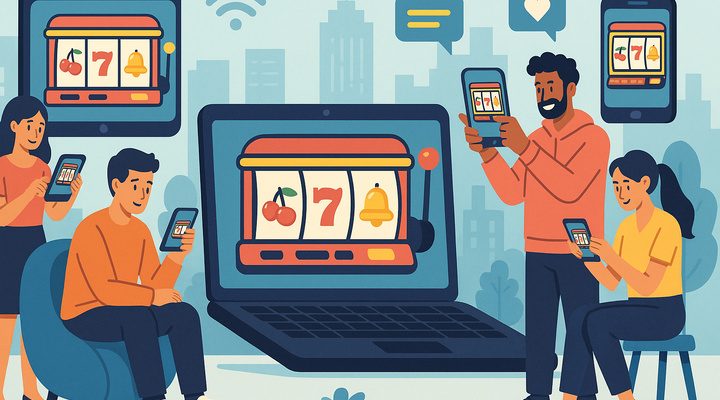
Social casinos have quietly turned into one of the fastest-growing corners of the gaming world. Millions of people log in every day to spin slots, flip cards, or take a virtual seat at a roulette table — all without wagering real money.
What started as a niche for casual gamers has evolved into a global entertainment machine, and the numbers suggest it’s not slowing down anytime soon. But is this a lasting shift in how people play, or will the hype eventually fade? Let’s take a look.
What Exactly Is a Social Casino?
Social casinos offer the look, feel, and gameplay of a real casino, minus the cash payouts. Players use virtual credits instead of real money, often earning them through daily bonuses or buying more via in-app purchases.
The games themselves — slots, blackjack, poker, roulette — are essentially the same as you’d find in a traditional online casino.
Because no real money prizes are involved, social casinos sidestep strict gambling regulations. That means they can be accessed in more markets, including places where online gambling is restricted.
This accessibility is one of the main reasons the industry is projected to grow from $9.33 billion in 2025 to more than $13.5 billion by 2029.
Why People Can’t Get Enough of Them
Risk-Free Fun
The biggest draw is obvious: you can’t lose money. Players still get the excitement of a slot jackpot or a big poker hand, but there’s no stress about draining a bankroll.
That relaxed environment appeals to a much broader audience than traditional online casinos, where every decision can have a financial consequence.
A Gateway to Real-Money Gaming
For some, social casinos act as a warm-up before stepping into real-money casinos. The games offer a chance to learn rules, try strategies, and build confidence in a low-pressure setting.
Operators know this, which is why many social casinos promote their real-money sister sites through ads and cross-promotions.
Always Available
Social casinos are built for modern life. Whether you’re on your phone during a coffee break or killing time while waiting for a flight, you can start a game in seconds.
No ID verification, no travel, no fuss — just tap and play. The convenience factor is hard to overstate.
Reaching Players Everywhere
Since there’s no real gambling involved, social casinos can operate in markets where traditional online casinos can’t. That includes countries and U.S. states with strict gambling laws.
Mobile penetration is high in these areas, and social casinos give people a legal way to enjoy casino-style games without breaking local laws.
Built for Connection
They’re called “social” casinos for a reason. Features like leaderboards, friend invites, and in-game chat make them feel more like a community than a solo experience.
For many, it’s less about beating the house and more about competing with friends or joining group challenges.
The Business Side: How Free Games Make Money

Even though social casinos don’t pay out cash prizes, they’re not just giving away entertainment for free. Revenue comes from in-app purchases — buying more virtual coins or credits — and from advertising.
Players might watch ads in exchange for bonus coins or see branded content embedded in games.
This “freemium” model is standard in mobile gaming, and it works. Many players never spend a dime, while others are happy to pay for extra credits or special in-game perks. When multiplied across millions of users, that adds up fast.
Why This Trend Might Stick Around
There are strong indicators that social casinos have staying power. Mobile gaming isn’t going anywhere, and the desire for risk-free entertainment only seems to be growing. The industry’s steady revenue growth and consistent player engagement suggest it’s more than a fad.
Social casinos also fill a unique niche. Real-money casinos can’t legally operate everywhere, but social casinos can step into those gaps.
For operators, they’re a low-risk way to build brand recognition in markets that might open to online gambling in the future. For players, they offer a safe and accessible way to enjoy casino-style games without the potential downsides.
Reasons It Could Slow Down
That said, no trend is bulletproof. Player fatigue is a real risk if the games start feeling repetitive. While constant content updates help, there’s always the danger that newer entertainment formats — such as virtual reality or more immersive multiplayer experiences — could pull attention away.
There’s also the potential for increased scrutiny from regulators. Some lawmakers might decide that heavy in-app spending or real-money crossover advertising blurs the line between gaming and gambling. If rules tighten, growth could slow.
The Generational Factor
Younger players are already shaping how the casino industry thinks about the future. Many in Gen Z and younger Millennials prefer digital-first experiences and see no need to visit a physical casino.
Social casinos fit that mindset perfectly, offering instant play, social features, and the ability to jump in and out of games without a major time commitment.
The flipside is that younger generations are also quick to move on if something better comes along. To keep them engaged, social casinos will need to evolve — adding new game formats, expanding social integration, and possibly exploring augmented or virtual reality.
So, Will It Last?
All signs point to social casinos being more than a temporary craze. The combination of risk-free play, global accessibility, and constant new content makes them a comfortable fit in the modern gaming landscape.
The most successful operators will be the ones who keep innovating, whether through new gameplay styles, deeper social connections, or even blending with other digital entertainment formats.
For now, the spin of a slot wheel or the flip of a virtual card isn’t going anywhere — at least not until something equally engaging, convenient, and low-risk comes along to take its place.

