

 Share
Share 



New York City lost a piece of its sporting soul — and it did not happen at Madison Square Garden or Yankee Stadium.
On June 28, 2026, the historic Aqueduct Racetrack in Queens hosted its final day of live thoroughbred horse racing, ending a 132-year run that helped define New York racing culture.
Aqueduct’s final race delivered an emotional farewell
The final race at Aqueduct was named “It Was a Good Run.”
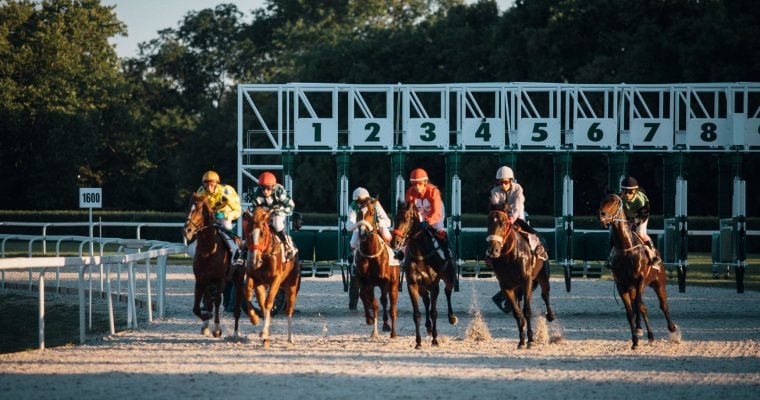
As the horses thundered down the stretch for the final time, jockey Jaime Rodriguez guided Kentucky-bred gelding Assume Nothing across the finish line at 5:50 p.m., closing the book on more than a century of racing history.
Before the race, trumpeters played “Auld Lang Syne” and “Call to the Post,” turning the afternoon into both a celebration and a farewell.
More than 6,000 fans packed the track during its final weekend. Some came to wager on the races. Others simply wanted one last walk through the gates of a venue that had long served as New York City’s home for horse racing.
The blue-collar charm that defined Aqueduct
Aqueduct was never the polished sibling in New York racing.
That reputation belonged to Belmont Park and Saratoga Race Course. Aqueduct was different — gritty, weathered and proudly blue-collar.
Fans could hop on the subway, buy a racing form and spend the afternoon alongside veteran handicappers, retirees, first-time bettors and lifelong horseplayers. For many New Yorkers, that accessibility was the track’s greatest charm.
Over the decades, racing legends including Secretariat, Seabiscuit and Man o’ War competed there. Pope John Paul II also celebrated Mass at Aqueduct during his 1995 visit to New York.
Not bad company for a racetrack in Queens.
Horse racing in New York is consolidating around Belmont
Aqueduct’s closure does not signal the end of horse racing in New York. Instead, it reflects the sport’s ongoing consolidation.
According to an article by NBC News, the New York Racing Association is shifting downstate racing operations to Belmont Park, which is undergoing a massive redevelopment project. When Belmont reopens Sept. 18, it will host year-round racing, including the winter and spring meets long associated with Aqueduct.
The revamped Belmont Park will feature a new five-story grandstand and upgraded fan amenities designed to modernize the racing experience.
In short, New York racing is moving into a new era — even if it means leaving one of its most recognizable venues behind.
The final chapter for live horse racing in New York City
For horseplayers, the loss carries extra weight.
Aqueduct was not only New York City’s final racetrack. It was also one of the last places where pari-mutuel betting still unfolded in person, with fans studying racing forms, tracking shifting odds on the tote board and chasing winning tickets together in real time.
That tradition is not disappearing entirely. Live racing and pari-mutuel wagering will continue at Belmont Park, while off-track betting and simulcast venues remain active across New York.
Still, the experience changes when the horses are no longer kicking up dirt directly in front of the crowd.
The pari-mutuel model itself is also evolving beyond the racetrack. Shared betting pools now power newer products such as online pari-mutuel-powered games (PPGs), which apply the same collective wagering structure to modern digital gaming experiences.
Even as Aqueduct fades into history, the system that helped define it continues to adapt to a new generation of bettors.


