
 Share
Share 



Gaming Edge’s TL;DR
- Rahm Emanuel has proposed a 10% federal tax on online gaming and prediction market revenue to bankroll an “American Innovation Fund.”
- This plan, pitched as a way to boost US tech competitiveness, could materially affect operators and bettors if it advances in Congress.
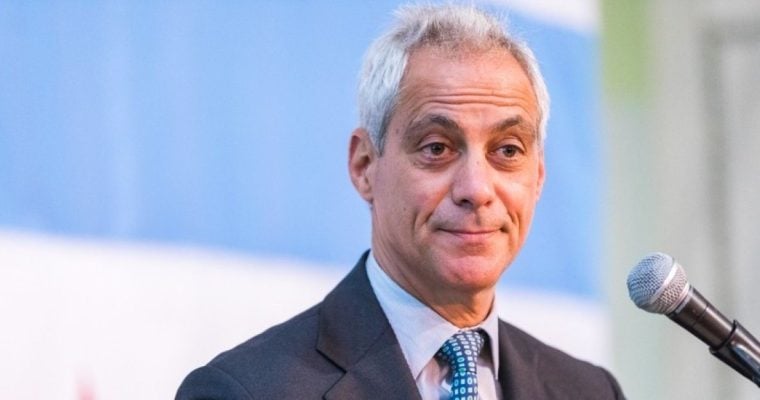
Former Chicago Mayor Rahm Emanuel – who is widely expected to seek the 2028 Democratic presidential nomination – this week outlined a proposal for a 10% federal fee on revenue from online casinos, sports betting, and prediction markets.
Emanuel posted the plan on X, saying, “Let’s bet on America – not against it.” He told Bloomberg the levy could raise as much as $50 billion to fund research into AI, quantum computing, fusion energy, life sciences, and national security tech.
Emanuel framed the tax as a response to funding declines at agencies like the NIH and NSF, and called for an “American Innovation Fund” to restore US leadership. Any federal measure would require congressional approval and could interact with existing state and local gaming levies.
Players would pay the tax ultimately
A federal 10% levy would be layered on top of existing state and local taxes, potentially increasing the overall tax burden on operators and, indirectly, players.
States have already raised rates in recent years – for example, Maryland lifted its rate from 15% to 20%, and Illinois implemented progressive rates that in places approach 40% plus per-wager levies.
Industry leaders warn that higher cumulative taxes can:
- Reduce operator margins and promotional budgets
- Push some bettors toward unregulated or offshore sites
- Encourage market consolidation as smaller operators struggle to compete
Peter Jackson, CEO of Flutter Entertainment (FanDuel’s parent), cautioned about finding the “optimal level for gaming tax rates” that balances customer experience and long-term state revenue.
Bettors could see fewer incentives, tighter odds, or fewer product offerings if operators pass costs on or shrink operations. Operators will also weigh federal compliance complexity across states, potentially raising prices or reducing liquidity in certain markets.
Based on reporting by Sean Chaffin for CardPlayer.