

 Share
Share 



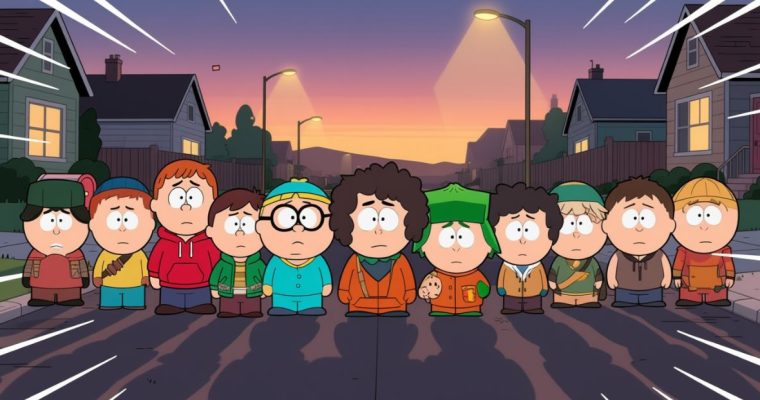
South Park has built a reputation for mocking cultural trends, but its latest episode, Conflict of Interest, didn’t just poke fun at prediction markets—it practically became one.
While Kyle and Cartman bickered over a betting-style app spreading through their school, real-world traders watched closely. Markets emerged on Polymarket, Kalshi and smaller exchanges, allowing viewers to wager on what would happen in the episode itself.
By the time the credits rolled, more than $150,000 had been traded across platforms. Suddenly, a half-hour cartoon wasn’t just entertainment—it became a live test case for how quickly prediction markets can seep into mainstream culture.
What are prediction markets?
Prediction markets are platforms —sometimes called betting apps — where users buy and sell shares in potential outcomes. Each share represents the probability of an event occurring, whether it’s a presidential election, an economic report or the next Super Bowl champion. Share prices rise or fall based on demand, creating a real-time forecast powered by the wisdom—and wallets—of the crowd.
Unlike sportsbooks, where bettors face the house, prediction markets are peer-to-peer. Traders buy from and sell to each other, making pricing more fluid and often more transparent. Polymarket, built on blockchain, and Kalshi, regulated by the Commodity Futures Trading Commission, are two of the biggest names pushing the industry forward.
South Park shines a light on betting apps
South Park is no stranger to skewering industries, but Conflict of Interest hit differently. The episode centered on a schoolwide betting app where kids could bet on anything—from who would get detention to which teacher might snap next. The storyline exaggerated the absurdity of monetizing every outcome but mirrored the logic behind prediction markets.
The meta twist came when viewers joined in. Traders speculated on dialogue, whether the term “prediction market” would be mentioned and even how many times Trump would be referenced. On Polymarket alone, users created markets tied to dialogue and themes, while Kalshi saw nearly $10,000 wagered on similar outcomes.
What began as satire quickly became a cultural crossover moment: Prediction markets weren’t just being mocked — they were being used in real time.
Crypto gambling: A parallel trend
The rise of prediction markets isn’t happening in isolation. States like Pennsylvania and New Jersey, both leaders in regulated online casinos, are eyeing cryptocurrency as a potential game-changer for their casino industries.
Two states are prime candidates to explore legalizing crypto gambling. Will New Jersey legalize crypto casinos first? Or will Pennsylvania legalize crypto casinos first? Crypto shares similarities with prediction markets’ blockchain-based, transparent systems.
If these states legalize crypto casinos, players could experience faster transactions, enhanced privacy, and new bonuses — trends that align with the decentralized, user-driven appeal of platforms like Polymarket.
A jackpot moment for prediction markets
The South Park cameo may be the most mainstream exposure prediction markets have ever received. For years, they’ve been viewed as niche platforms — something between betting apps and financial tools — appealing to policy wonks, cryptocurrency traders or political junkies, but not part of everyday conversation.
Now, thanks to an animated comedy, millions of viewers have heard the term. For Polymarket, which operates on the fringes of US legality, the attention is invaluable. For Kalshi, backed by federal regulation, the episode could prove that prediction markets aren’t just financial tools—they’re cultural ones.
This moment might attract new users. Viewers who laughed at the episode could create accounts out of curiosity, especially if they see buzz on social media. Cultural relevance often pulls niche ideas into the spotlight, and prediction markets may be on the cusp of that shift.
Betting apps hit a pop culture power play moment
That South Park incorporated prediction markets into its storyline speaks to the industry’s growing cultural relevance. Being a target of parody signals a level of awareness that didn’t exist before. This is good news for companies like Polymarket and Kalshi, which have been working to establish legitimacy.
For Kalshi, regulation is its edge — it’s the first prediction market fully approved by the CFTC. For Polymarket, its cryptocurrency base offers fast, global access for traders speculating on everything from elections to celebrity gossip. Having both platforms mentioned alongside South Park gives them pop culture validation that advertising dollars can’t buy.
What’s next for prediction markets?
The timing is notable. In the coming months, the 2024 election cycle will intensify, and prediction markets typically thrive during political chaos. A South Park nod right before their biggest season could amplify attention.
It also raises questions about what markets might emerge next. If traders are willing to bet on TV episodes, what about awards shows, sports moments or viral cultural events? The line between entertainment and speculation could blur further, especially on platforms like Polymarket, where rules are looser.
Regulators will be watching, too. The episode highlighted both the silliness and seriousness of prediction markets, and government agencies may face renewed pressure to clarify what’s allowed. This could lead to tighter oversight or greater acceptance if Kalshi and others demonstrate the value of crowd-based forecasting.
Betting apps prove more than just a punchline
At its core, the South Park episode proved what prediction market enthusiasts have long argued: People want to bet on everything. From politics to pop culture, there’s an appetite. What was once a niche corner of finance has the potential to become a mainstream form of speculation.
If even a fraction of South Park’s massive audience takes interest, platforms like Polymarket and Kalshi could see significant growth in users and volume. More importantly, it signals that prediction markets are no longer in the shadows—they’re part of the cultural conversation.
Prediction markets go from LOLs to ROI
South Park has mocked everything from Scientology to social media, but few topics stand to benefit as much as prediction markets. By turning Conflict of Interest into a betting frenzy, traders blurred the line between parody and reality. For Polymarket and Kalshi, that blur might be the best marketing campaign they never paid for.
Whether this is a passing pop culture moment or the point when prediction markets break into the mainstream, the next few months will be telling. With elections, sports and entertainment events ahead, the industry has a prime opportunity to capitalize on its South Park moment.

