
 Share



Kalshi’s legal fight with more than 20 states is putting prediction market regulation in focus. Indiana may consider the issue in its 2027 legislative session, but whether states can impose their own rules remains unresolved.
Prediction markets covering elections, sports and other events are drawing scrutiny over where financial trading ends and gambling regulation begins. An Oct. 21 column in Fort Wayne Business Weekly outlines the national dispute and Indiana’s potential role, without identifying an announced legislative proposal.
Kalshi’s Legal Fight Centers on Regulatory Authority
Kalshi is described in the column as the first federally regulated U.S. financial exchange dedicated to trading on future event outcomes. Alongside platforms such as Polymarket, it offers markets on subjects ranging from elections and weather to sports and entertainment.
The central legal question is whether federal commodities law overrides state gambling laws. The federal government claims sole regulatory authority through the Commodity Futures Trading Commission, and the Trump administration has sided with prediction markets.
Forty state attorneys general also filed an amicus brief urging the U.S. Supreme Court to hear New Jersey’s petition on the federal-versus-state authority question. That request does not establish that the court has agreed to hear the case or decided the issue.
Indiana Has Not Committed to a Regulatory Approach
Indiana Atty. Gen. Todd Rokita did not sign the attorneys general brief, according to the column. His office indicated that Indiana would wait for further Supreme Court developments before taking action.
“We have heard little from anyone in Indiana state government advocating to us one way or the other for the issues this case presents,” the office said in a statement.
The platforms already feature Indiana-related events, including a Kalshi market on the Indiana secretary of state election and another on where the Chicago Bears might relocate. The relocation market had exceeded $950,000 in trading volume.
Election Betting and Consumer Rules Remain at Issue
The debate extends beyond sports contracts. The column cites concerns about election integrity, consumer protections and how prediction markets should be taxed.
Twenty-three states completely ban election betting, according to National Conference of State Legislatures data analyzed by the Pew Research Center and cited in the column.
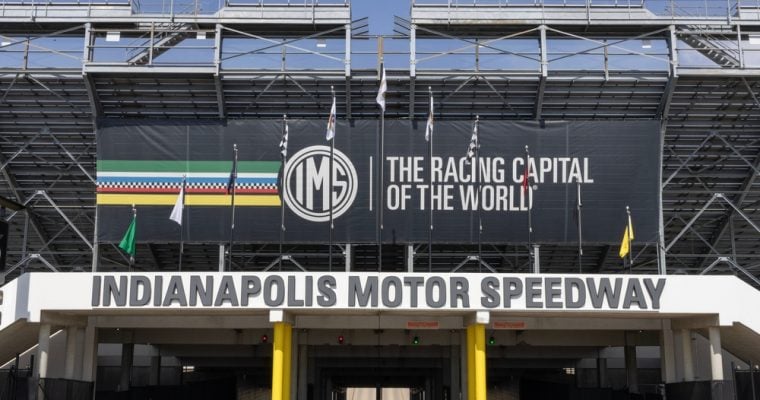
For Indiana, 2027 is a possible legislative window—not an established implementation date. Whether lawmakers pursue guardrails or a tax structure, and whether states have authority to enforce such measures, remain open questions.
More from gamingtoday.com
- Polymarket Pulls Cornell Case Market After Criticism
- Ohio Bills Would Treat Sports Predictions Like Gambling, Outlaw Election Bets
- Climate Prediction Markets Surge as Kalshi and Polymarket Expand Weather Betting
Source: As reported by Fort Wayne Business Weekly.